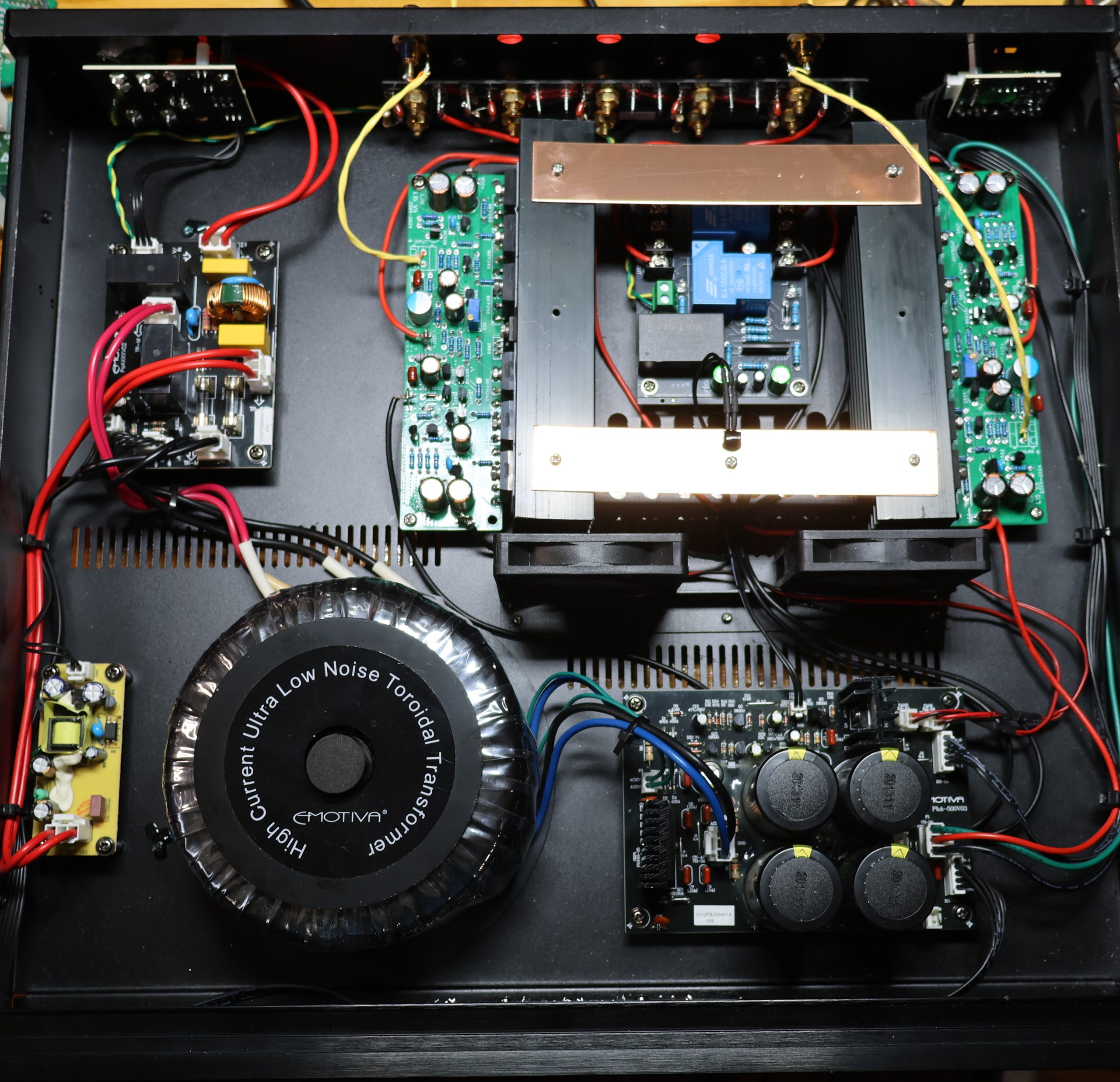
Salvaging an Emotiva A-500 into a 100W LJM L15 MOSFET Stereo Amp

Some projects start with a plan. This one started with a dead amplifier and a decision not to fix it.

I picked up a broken Emotiva BasX A-500 — the five-channel home theater workhorse. My first instinct was to repair it. But the honest truth is that the A-500 was never a great-sounding amp to begin with. It’s competent, it drives five channels, and it has a genuinely nice linear supply behind it, but nobody has ever described it as musical. Spending a weekend chasing a fault to end up with an amp I didn’t want to listen to seemed like a poor trade.

Continue reading
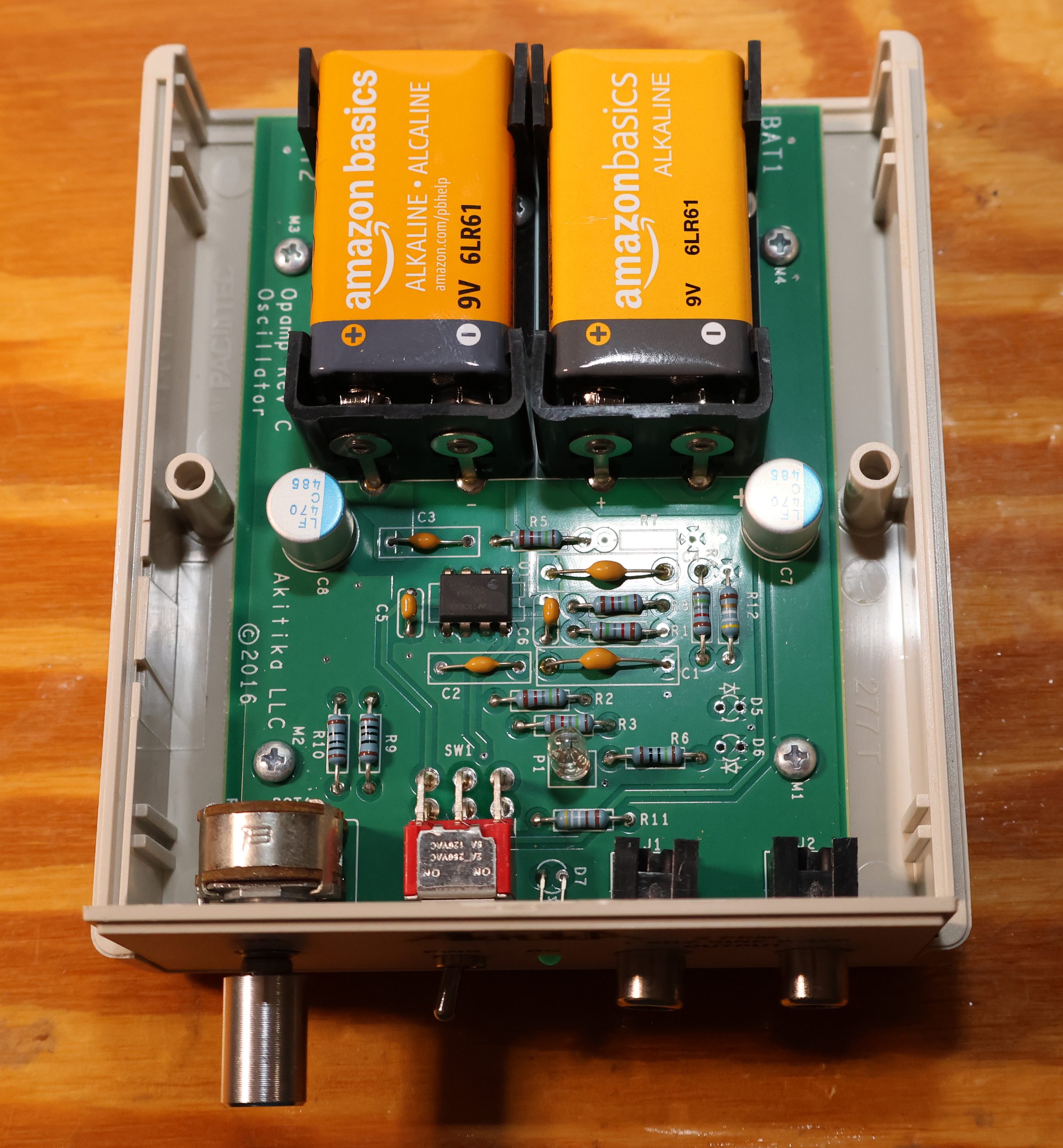
Akitika 2 PPM 1 KHz sine wave generator

I bought the Akitika 2 PPM 1 kHz oscillator for one reason: I was tired of not knowing whether the distortion I was chasing lived in the amplifier on my bench or in the box feeding it. If you repair preamps and power amps you know the feeling: you hook up the bench function generator, run the FFT, see 0.02% sitting there, and spend the next hour wondering which half of that number is yours to fix. The Akitika ended that argument permanently, for less than the price of a decent set of test leads.

Continue reading

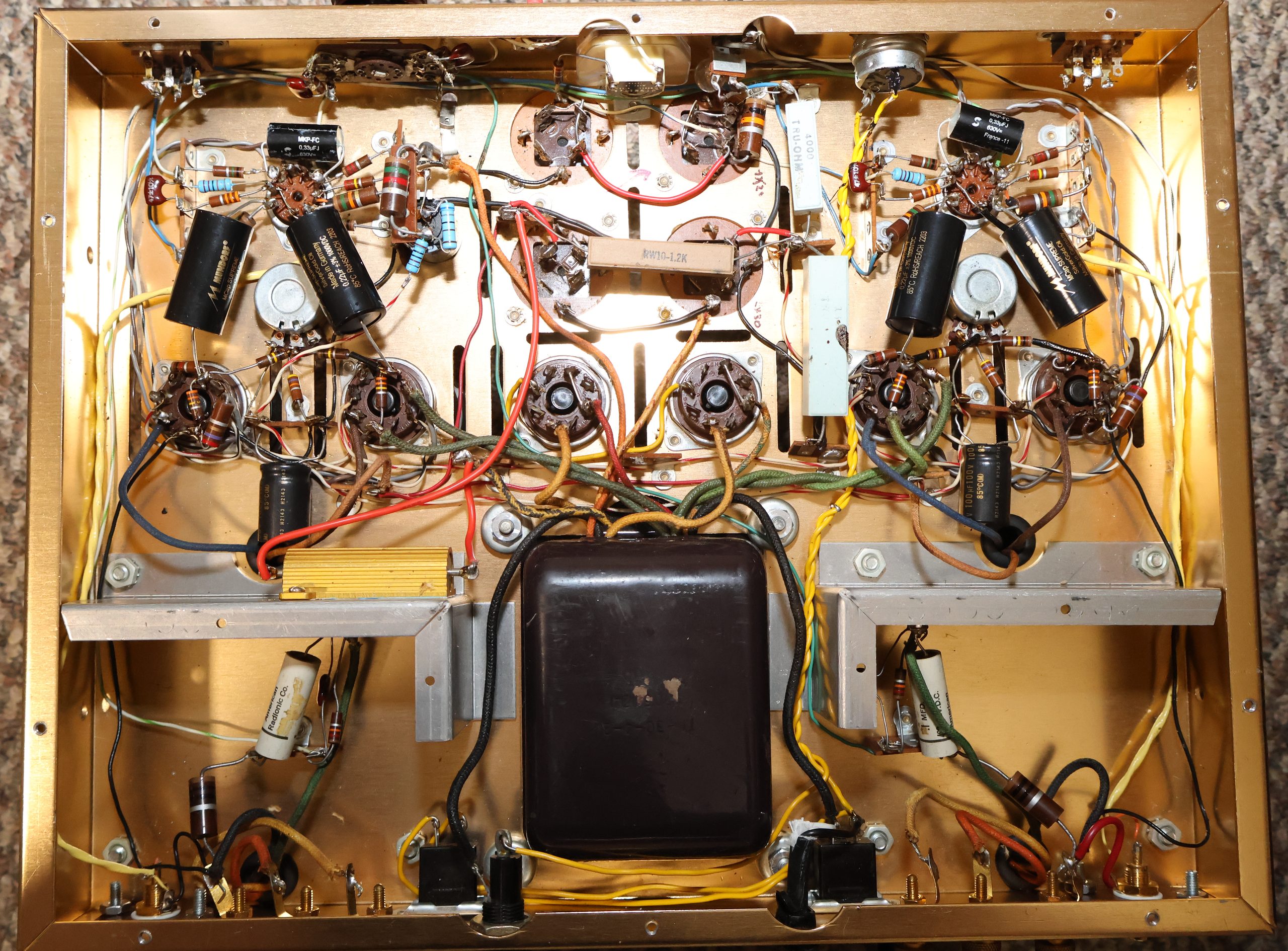
Restoring an H.H. Scott LK-150: topology, caps, bias, and connectors

The LK-150 is one of those amps that people underrate because it wore a kit badge. Scott sold it between roughly 1961 and 1964, $170 as a kit and $270 wired, and what you got for the money was a genuinely serious stereo power amplifier: four 6550s, a pair of 7199s, two 5AR4 rectifiers, and output transformers that are physically bigger than what you find in a lot of amps that cost several times as much. Rated output is around 58 W RMS per channel, 130 W total by the marketing math of the day. Sixty-odd years later, the iron is almost always fine and everything made of paper, electrolyte, or aluminum is not. That is the whole restoration story in one sentence.

Continue reading

Peak Atlas DCA75 Pro — the little black box that quietly runs my audio bench

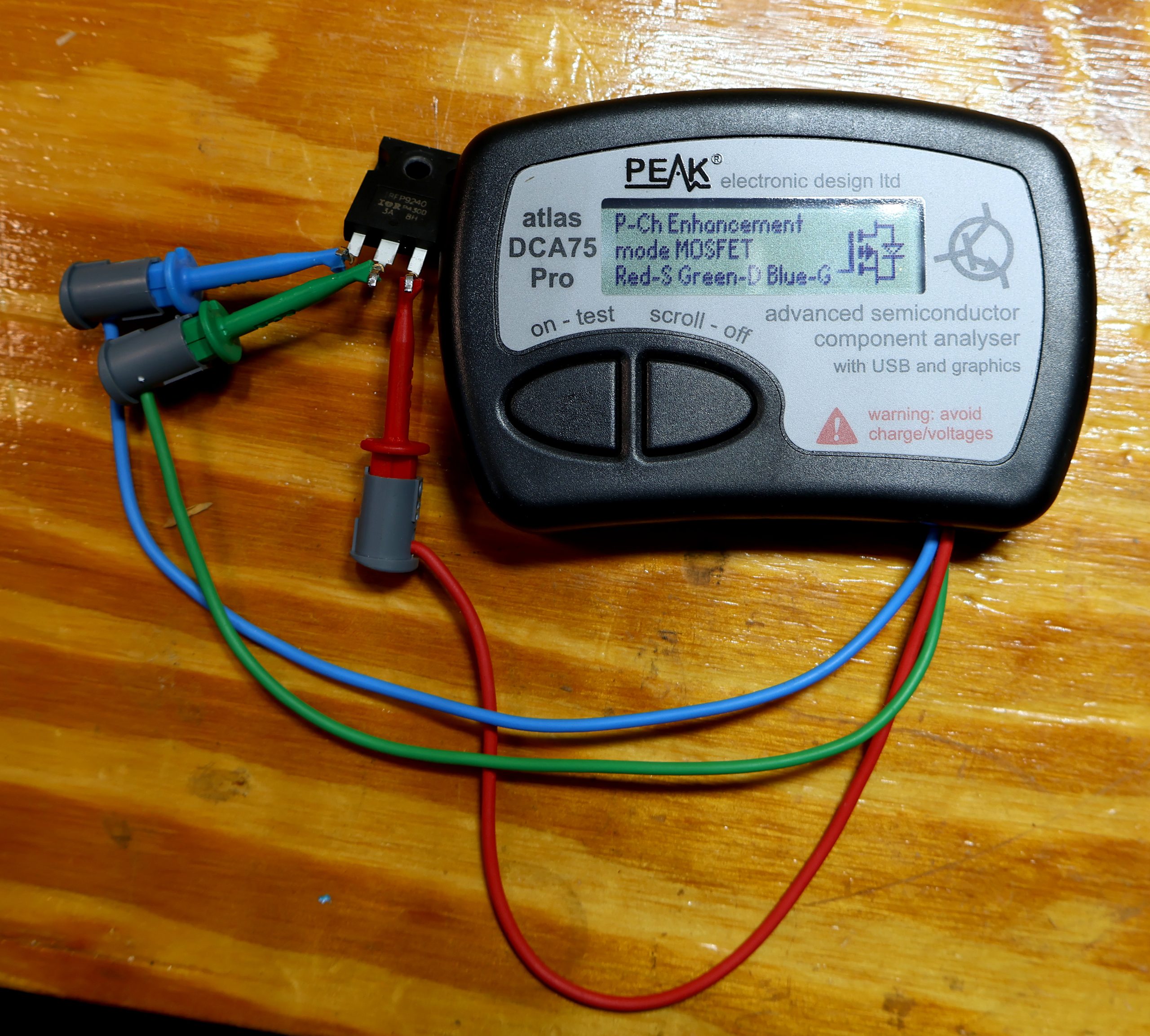
I bought my DCA75 Pro because I got tired of being wrong. Not spectacularly wrong — just quietly, expensively wrong, in the way that ends with a channel that runs hotter than its twin and a customer who says “it sounds fine, but…” three weeks later. That’s the photo above: my unit, scuffed lid, leads permanently tangled, sitting on the bench with an IRFP9240 clipped into it. Red on source, green on drain, blue on gate, and the screen calmly announcing P-Ch Enhancement mode MOSFET before I’d even found my reading glasses. That moment is basically the whole product pitch.

Continue reading

 Wild Burro Audio Labs Betsy 8″ Drivers – 3D Phase Plug

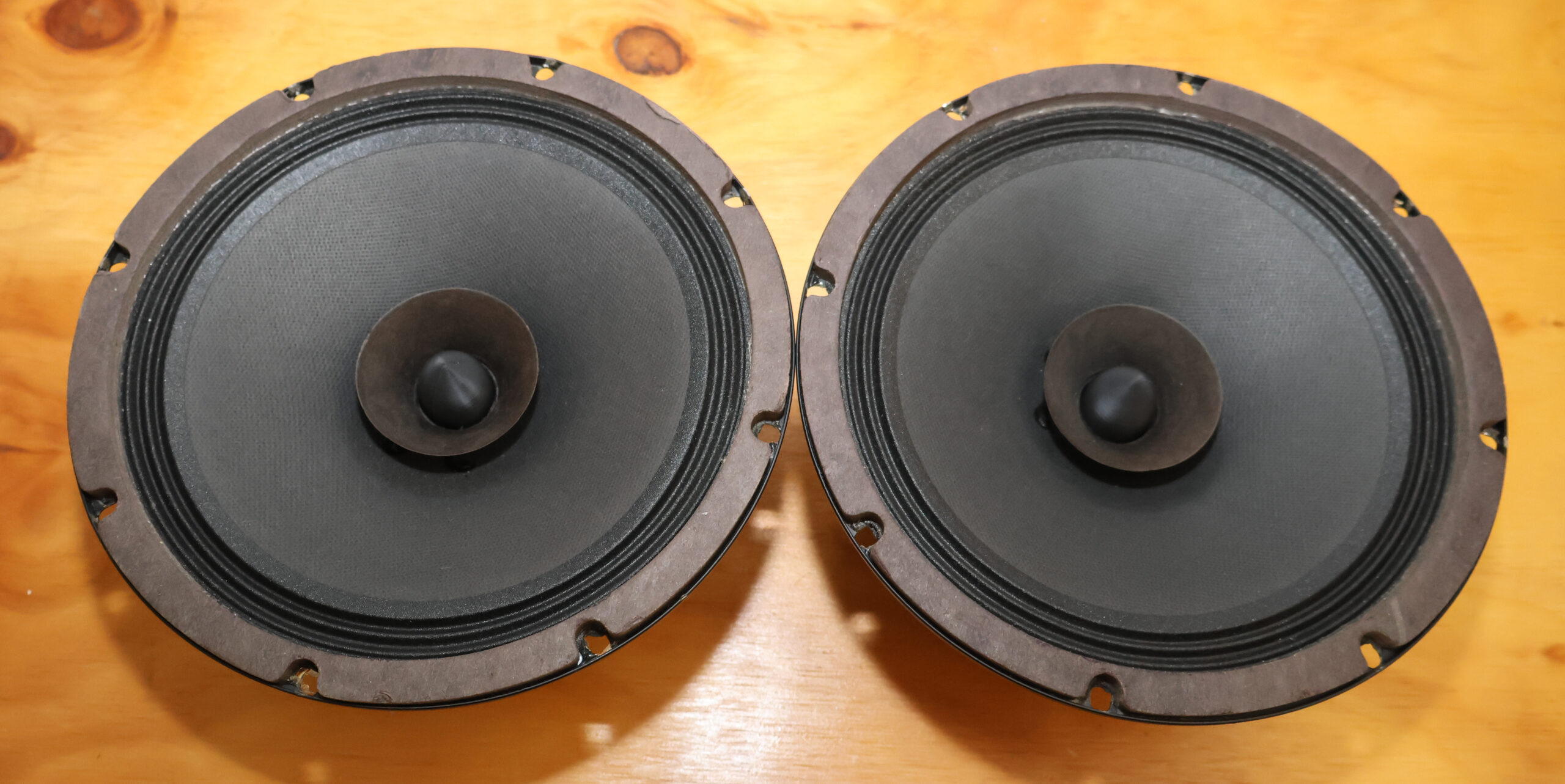
The Wild Burro Audio Labs Betsy 8″ driver is a favorite among open-baffle enthusiasts for its high sensitivity, smooth midrange, and budget-friendly musicality. However, like many wide-range drivers featuring a center dust cap or lightweight cone geometry, its stock configuration leaves room for acoustical refinement. Designing and 3D printing custom phase plugs for the Betsy is one of the most effective modifications to unlock its full potential.

Continue reading

Servicing the Ayre V-3 Power Amplifier: Resolving Intermittent Channel Loss

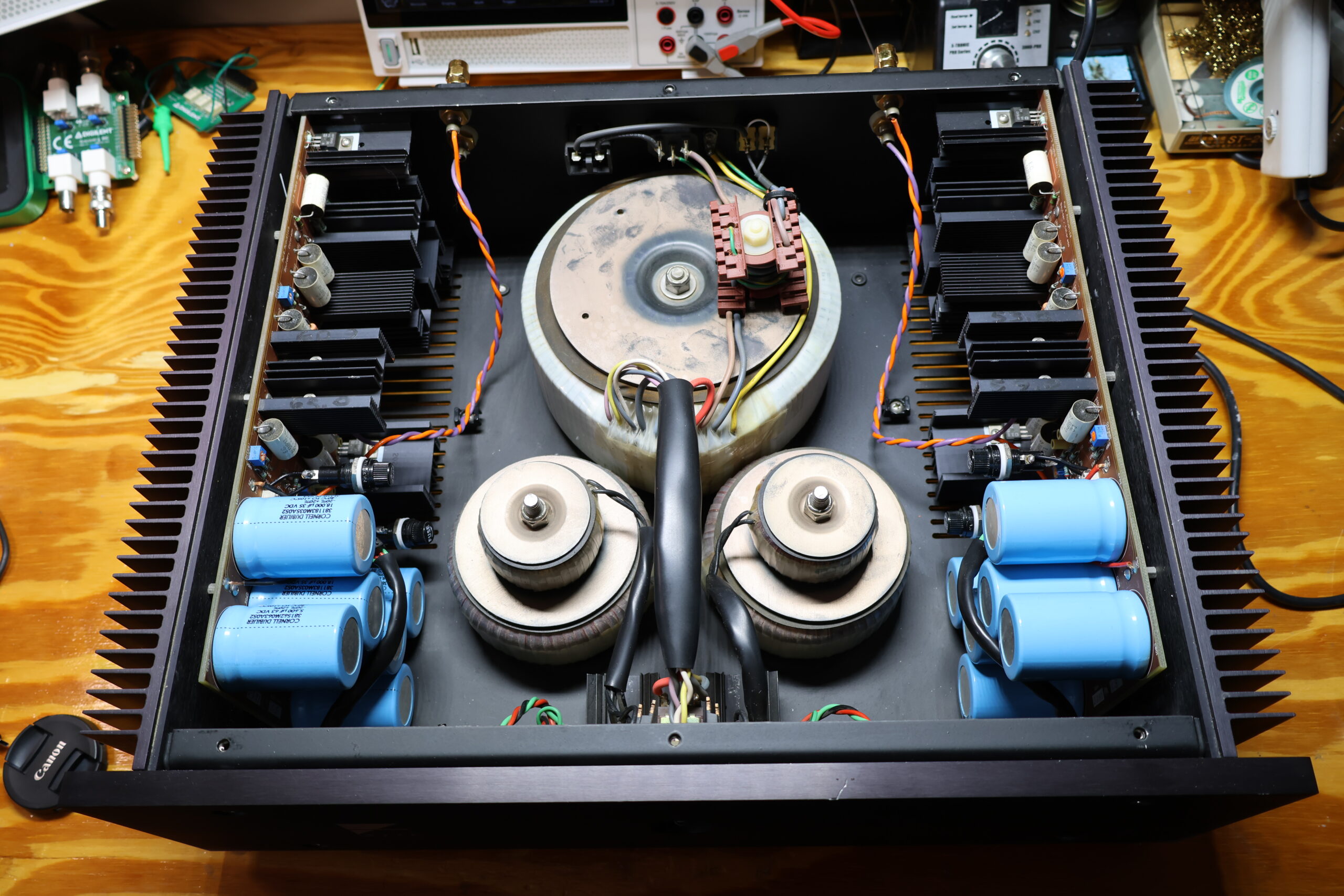
There is a distinct satisfaction that comes with working on a piece of high-end audio equipment designed with real engineering discipline. The Ayre V-3 power amplifier is a classic example. When a customer brought this unit into the shop, the aesthetic appeal of the enclosure was immediately clear, but the complaint was a familiar headache for any audiophile: one channel would intermittently fade out during listening sessions.

Continue reading

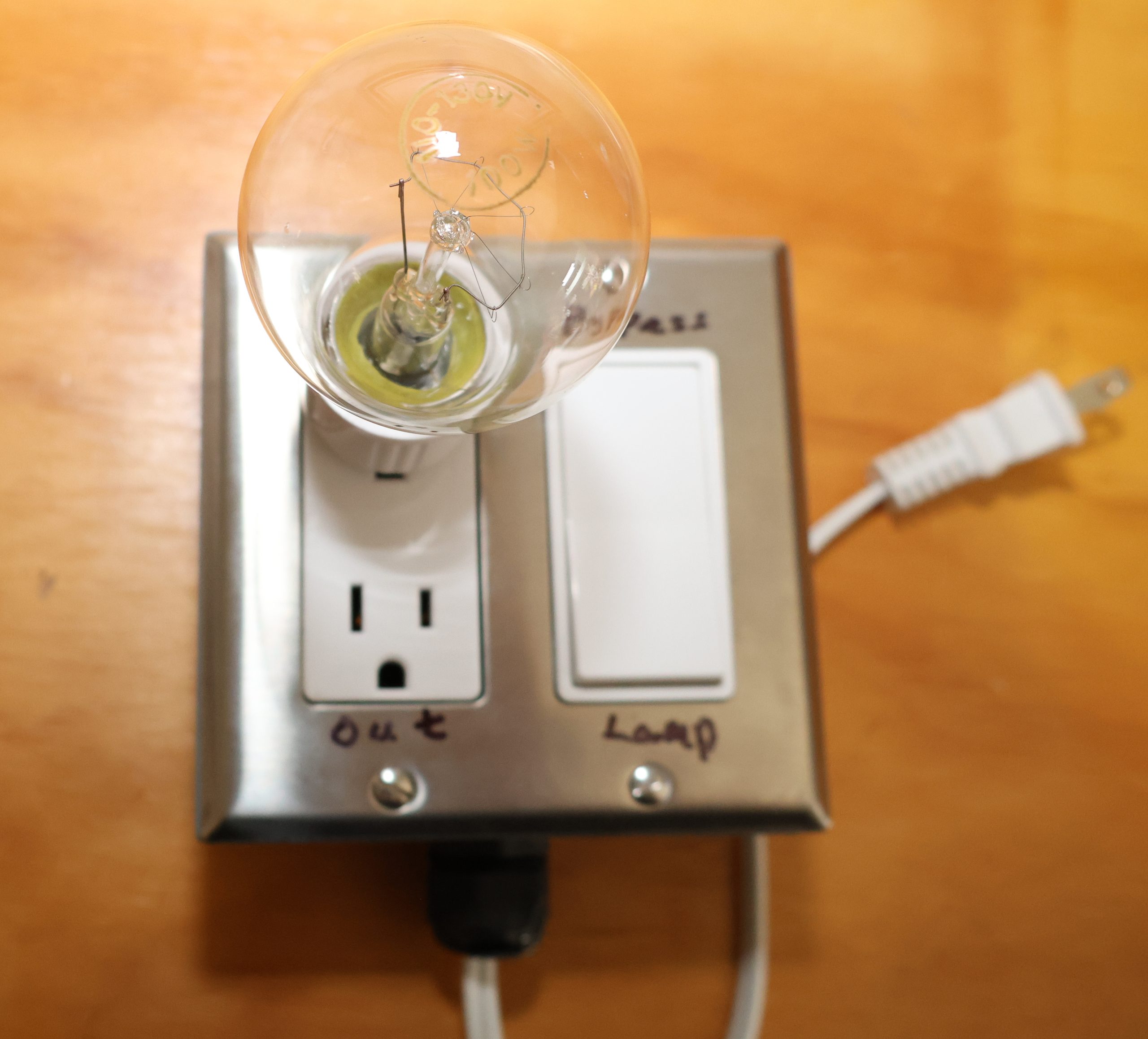
Dim Bulb Current Limiter – A Must have in every shop

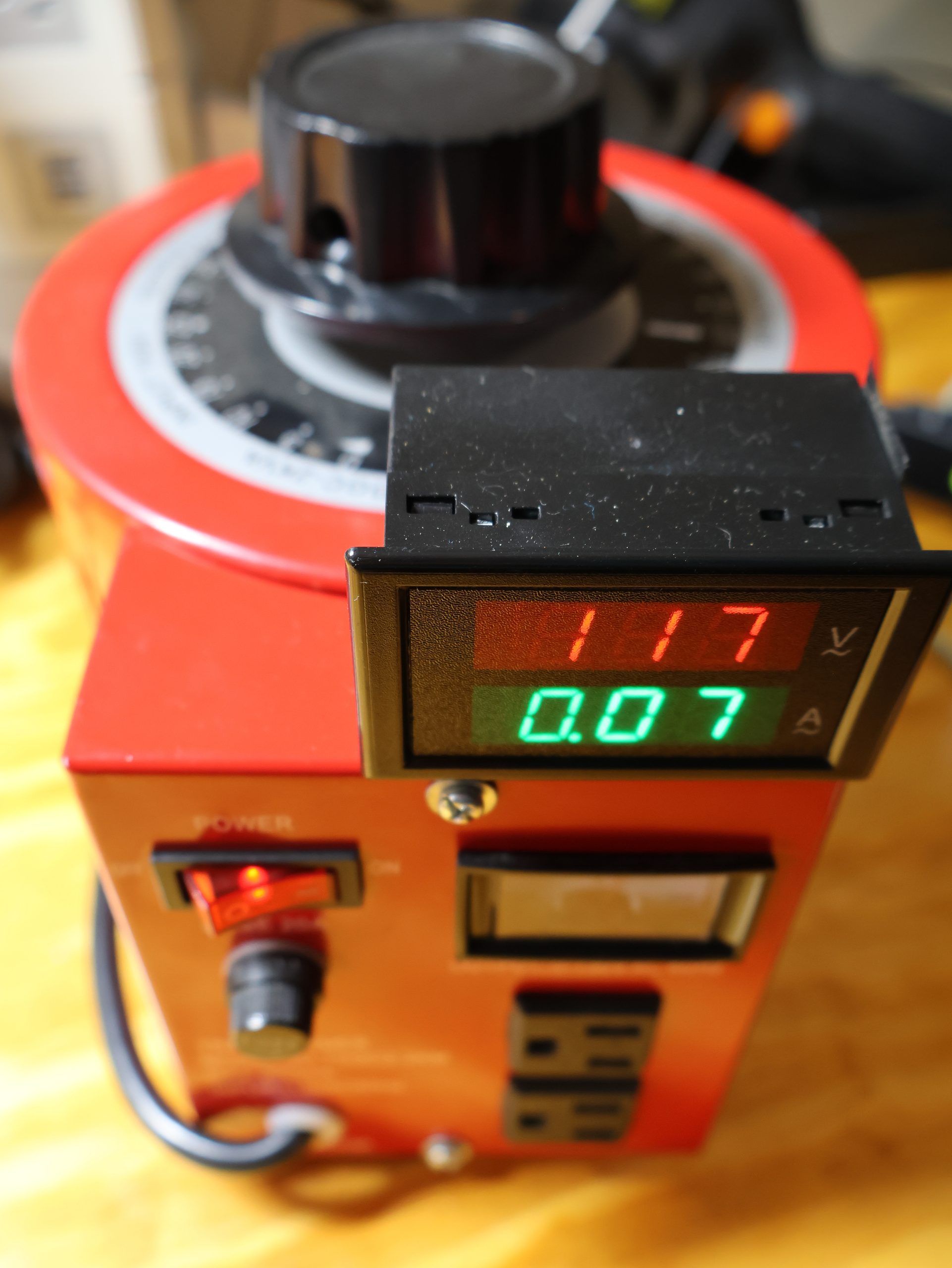
The usual first fault in mains-powered electronics is a dead short across the line — a shorted rectifier diode, a blown switching MOSFET, a punched-through mains filter capacitor, a shorted output transistor. Plug that straight into the wall and the only thing standing between the board and a 15 A branch circuit is the device’s own fuse. In the milliseconds before that fuse opens, tens of amps flow. That surge is what turns a one-part failure into a scorched trace, a cracked transformer, a vaporized bond wire in the part you just replaced, and a repair that is no longer worth doing.

Continue reading