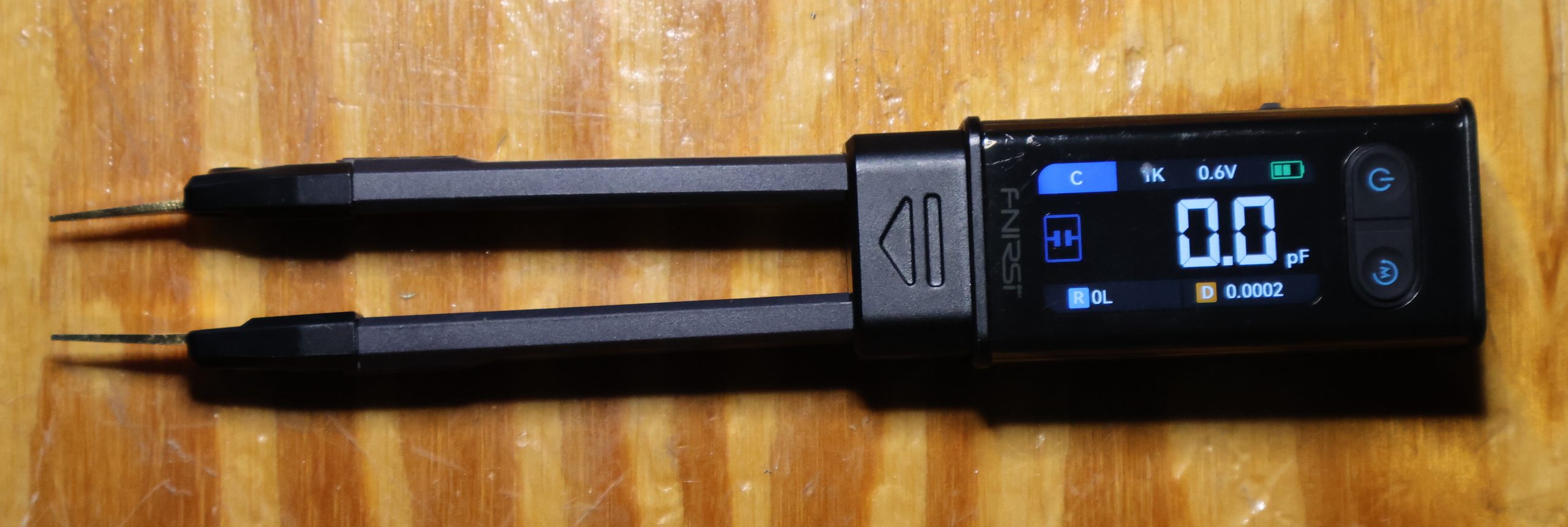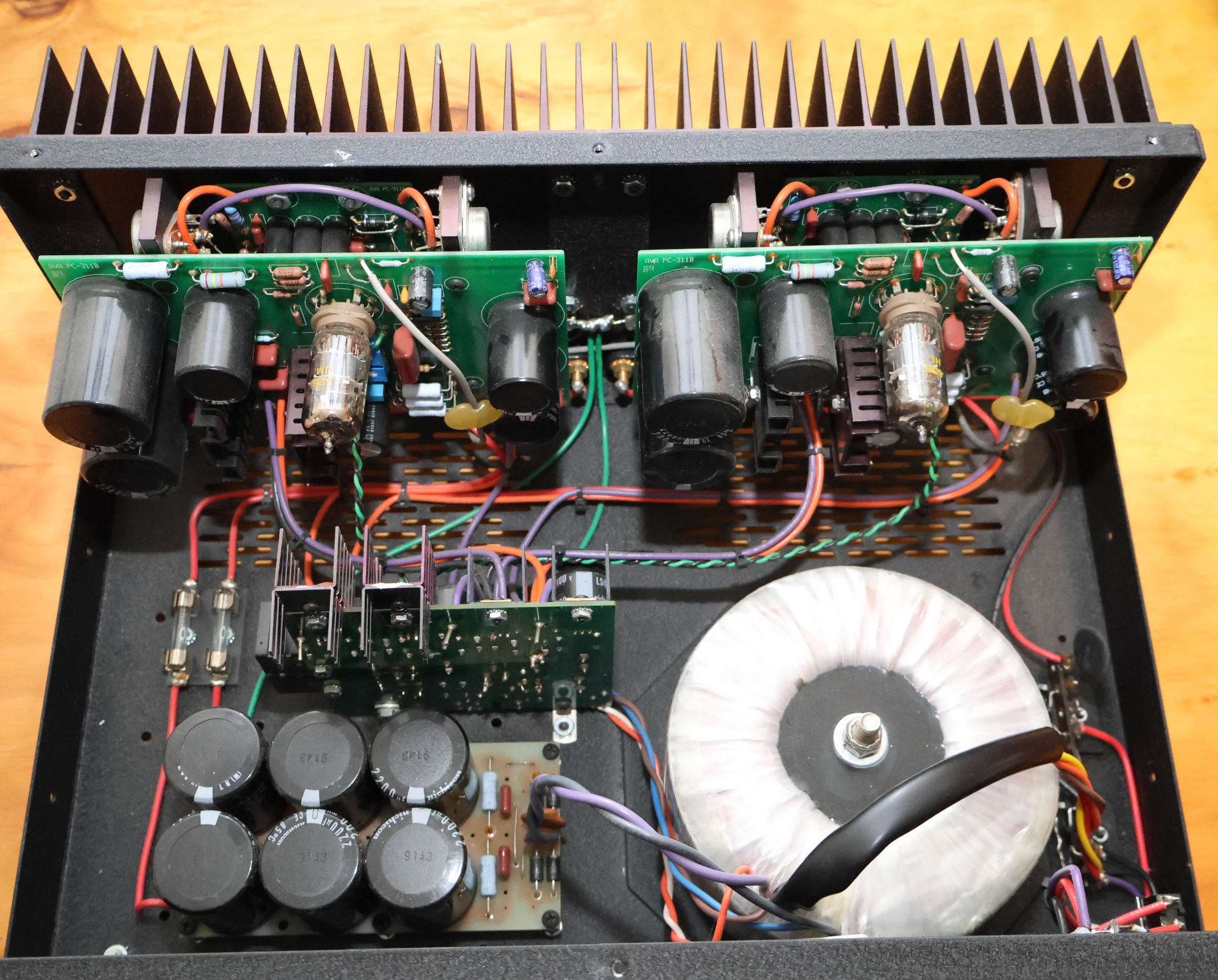
45 Years, Zero Dead Capacitors: Klipsch La Scala Restoration That Wasn’t

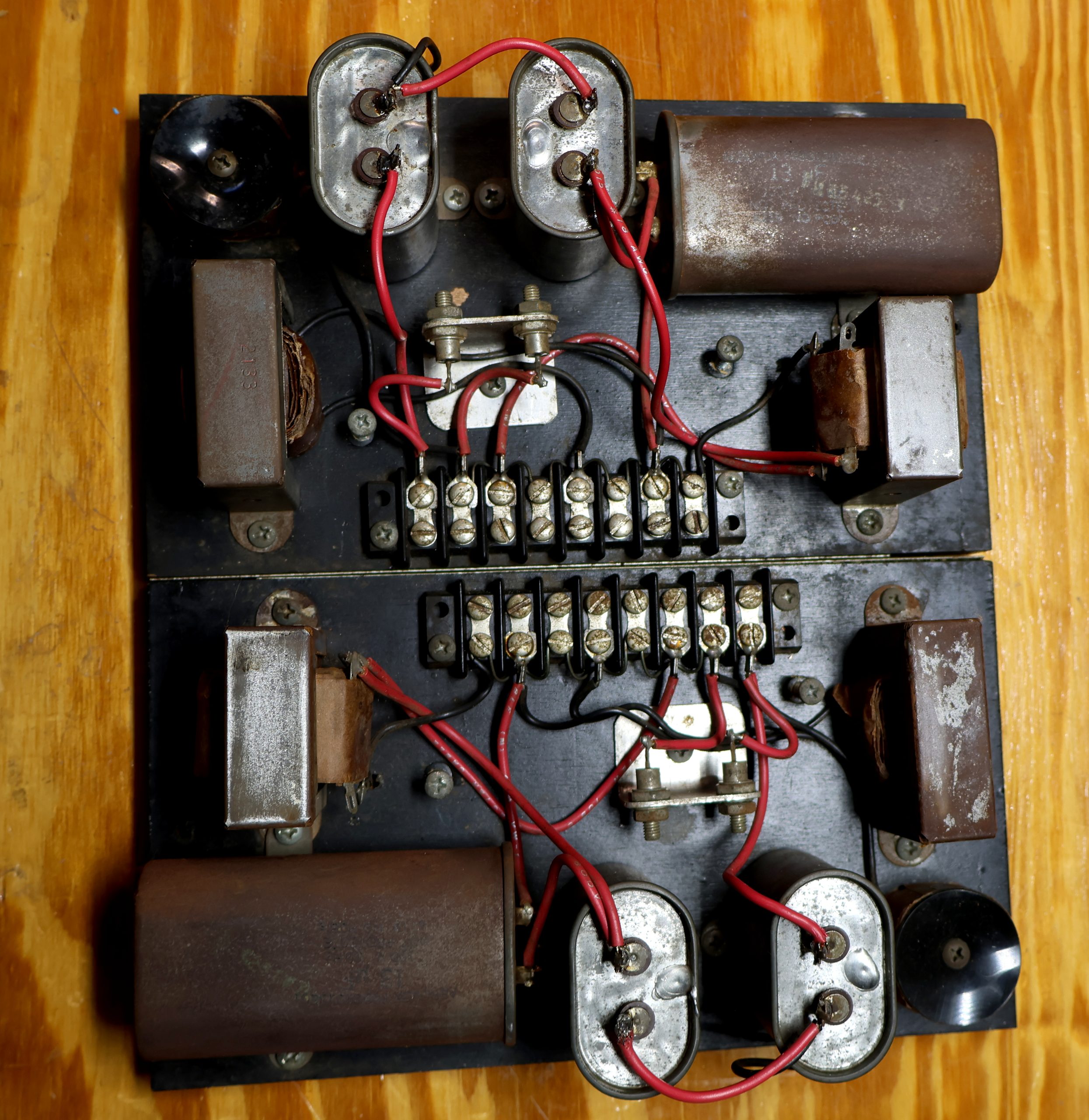
Almost everything that lands on my bench belongs to somebody else. Somebody’s dad’s receiver, somebody’s estate-sale turntable, somebody’s “it hums, can you look at it.” This one was different. These Klipsch La Scalas came home with me because I wanted them. They looked like fun, they were local, and the price was the kind you don’t argue with.

Continue reading

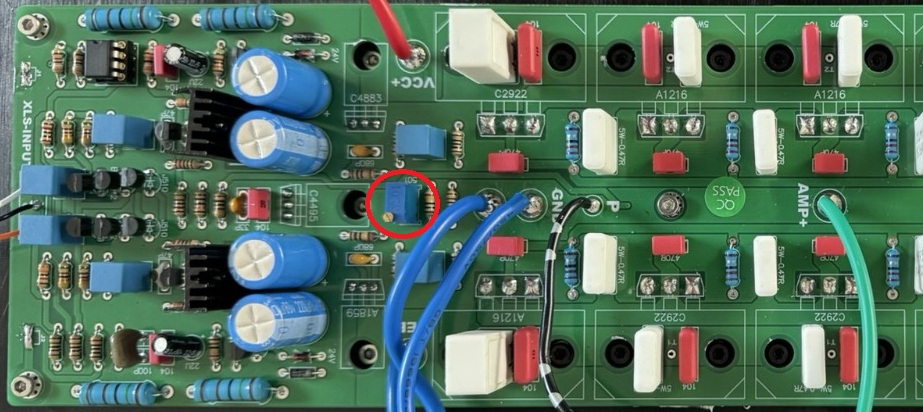
How to Bias and Set DC Offset on an FM300A Clone Power Amplifier

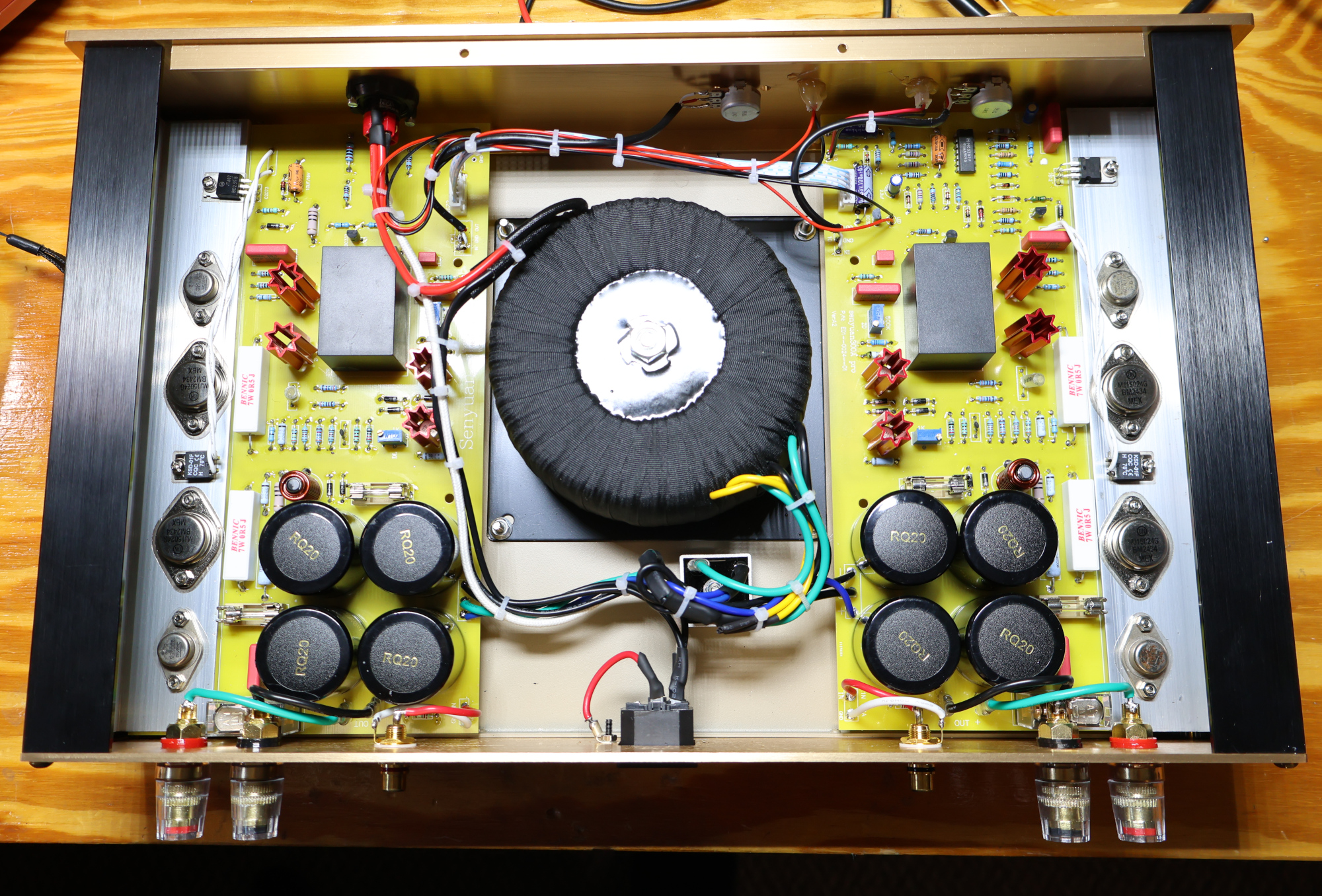
The FM Acoustics FM300A clone (often produced by brands like BRZHIFI or Weiliang) is a popular Class AB clone prized for its classic Swiss-inspired warm, detailed sound profile. Proper calibration of the DC Offset (to protect speakers) and Bias Current / Quiescent Current (to eliminate crossover distortion without thermal runaway) is essential for optimum safety and performance.

Continue reading

Accuphase C-245 Clone Modifications and Opamp change

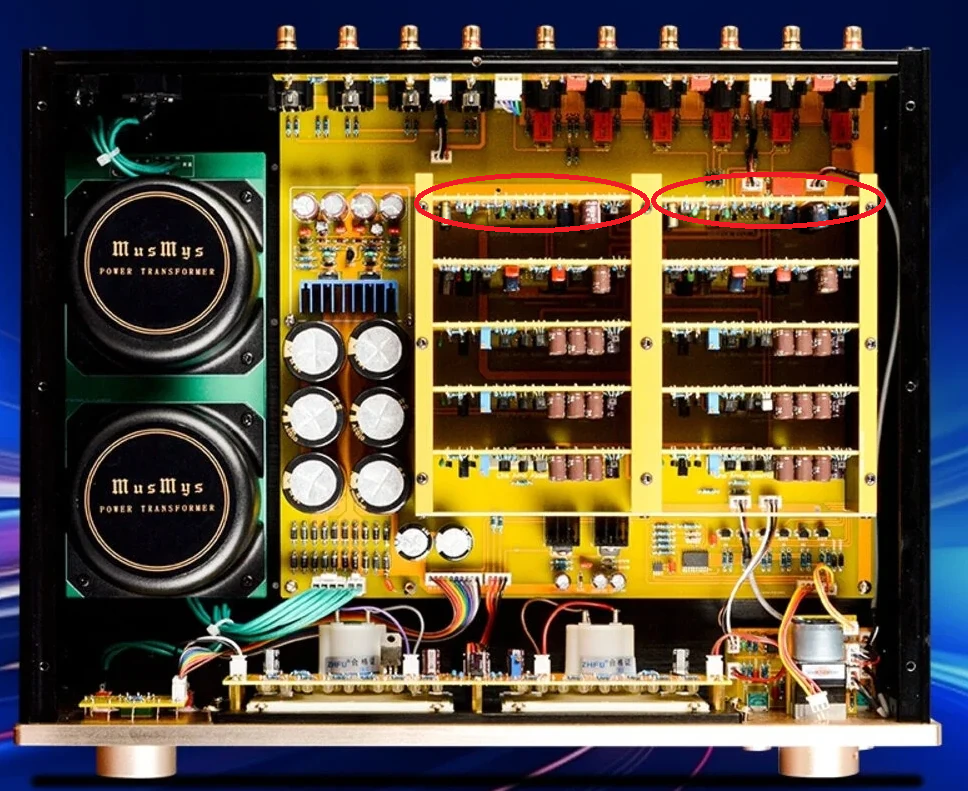
A customer recently brought in a BRZHIFI C-245 Pro preamplifier—a popular clone of the classic Accuphase C-245—asking to address two common issues: excessive overall gain and upgrading the stock operational amplifiers to higher-performance units. Below is a detailed walkthrough covering operational amplifier locations, card removal, gain modification resistor swap, and adjusting the front-panel VU meter sensitivity.

Continue reading

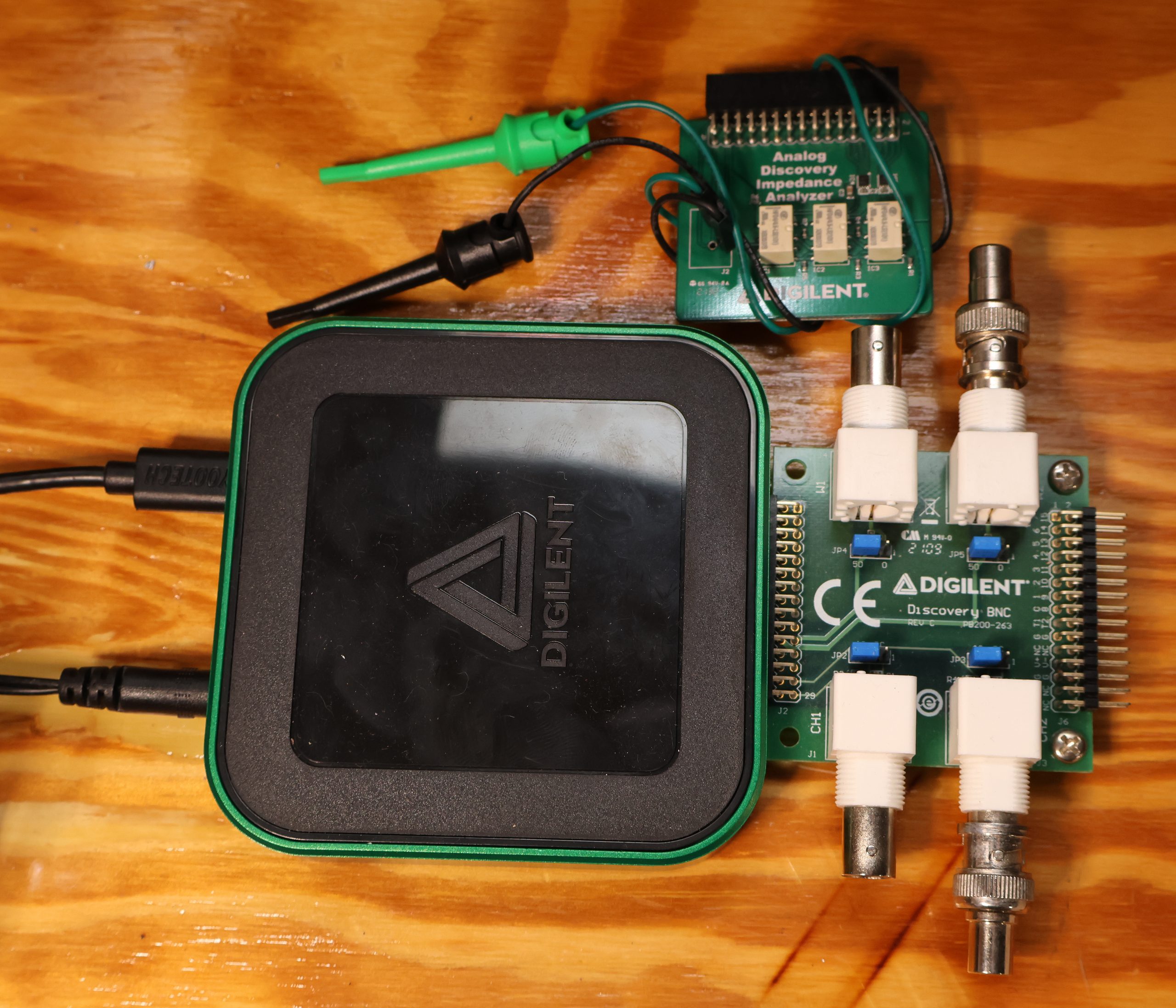
Analog Discovery 3: what it’s actually like on an audio repair bench

I fix audio gear for a living. Amps that hum, consoles that had a beer poured into them, tape decks whose owners insist “it only needs a belt,” and receivers from 1978 that weigh more than whoever carries them in. My bench used to be a wall of iron: a scope, a generator, a distortion analyzer, and a millivoltmeter that predates me. The Analog Discovery 3 is the size of a deck of cards, runs off a single USB-C cable, and has quietly taken over most of that wall. Not all of it. But most.

Continue reading

Living With the QuantAsylum QA403 Audio Analyzer

I bought the QA403 for the least romantic reason imaginable: I was tired of arguing with myself. Every amplifier I built or serviced, every phono stage I “improved,” every op-amp I swapped — all of it lived in the fog of subjective certainty. A real analyzer ends that argument. It doesn’t care what capacitors you like. It just prints the number.

Continue reading

Micsig DP10013 High Voltage Differential Probe — a bench review

That scuffed black brick in the photo above is mine. The wooden bench under it has seen flux, solder splatter, three spilled coffees and at least one capacitor that decided to become a confetti cannon. The probe itself still works perfectly, which tells you something: it has survived my workbench, and my workbench has not been kind to it.

Continue reading

Rigol DM858E — a bench meter that finally acts like it lives in this century

I bought the DM858E because my old handheld Triplet and I had reached the end of a long, codependent relationship. It was fine. It was also 3.5 digits, and every time I tried to match a pair of feedback resistors for a mic preamp it gave me three different answers and no apology and auto-ranging was very slow. So the Rigol landed on my bench, wedged between a console frame I’ve been “almost finished with” since spring and a coffee mug I’m no longer emotionally attached to.

Continue reading

Rigol DHO802: the little 12-bit scope that quietly took over my repair bench

Rigol DHO802: the little 12-bit scope that quietly took over my repair bench

I did not need another oscilloscope. I want that on the record. I had a perfectly serviceable 8-bit box that had been staring at amplifier guts since before some of my customers were born. Then I put a DHO802 next to it, pulled up a 1 kHz sine at 5 mV/div, and had the specific embarrassment of realizing that half of what I had spent years calling “noise” was my old scope’s quantizer having a bad day.

Continue reading

Isolation Transformers for Audio Repair

That blue and white box in the photo is a Zhengxi GBK2-1000VA AC isolation transformer, and it has quietly become the most important thing on my bench (well, technically under my bench) that isn’t a soldering iron. It sits on its little black base, hums to itself, and does exactly one job: it refuses to let the wall outlet and my repair victim share a ground. For anyone who pokes around inside audio gear, that refusal is worth every penny.

Continue reading